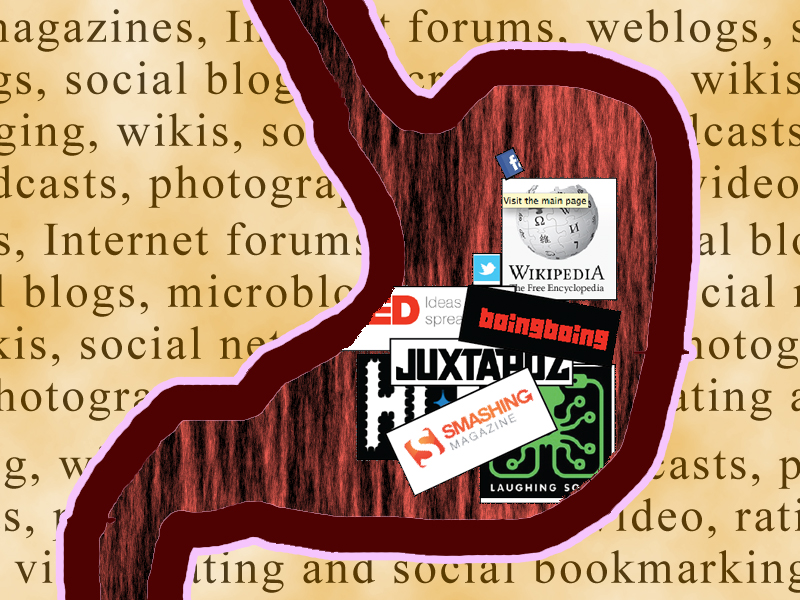
Information literacy, technology, and digital media engulf our everyday lives. Navigating through each can be overwhelming and discouraging, especially if we do not know how to properly traverse through the information overload. For me, I know this is how I feel oftentimes when I am feeling rather “hungry” for information. I found a lot of insight in the “rules of thumb” from Valenza’s (2016) article. The most prominent features for me include:
- Suspect the sensational– exaggerated, emotional text should cause skepticism
- Think outside the reliability box– unlikely voices can be accurate and authoritative, given the need
- Triangulate– verify information with multiple sources
- Be suspicious of pictures– images can be easily distorted, manipulated, or digitally born digital
The Framework for 21st Century Learning (2015) details the “skills, knowledge, and expertise” that students need to “succeed in work and life,” (para. 1), including literate skills within information, media, and ICT (information, communications, and technology).
The Framework highlights in information literacy that students should be able to have access to and evaluate information efficiently, effectively, critically, and competently. By practicing metaliteracy, the Association of College and Research Libraries (ACRL) (2016) suggests that through information literacy students will be compromised with “abilities in which [they] are consumers and creators of information…in collaborative spaces.” Through metaliteracy, students will be armored with six key concepts that include: determining authority, understanding that the creation of information is a process, understanding that information is valuable, using inquiry in research, promoting scholarships as conversations, and strategically exploring information (para. 3).
For media literacy, the Framework explains how students should be able to analyze media by examining and valuing points of view and understand how to use and interpret products of the media. Gungor and McHargue (2017) display in their podcast how there is a current “strange media nihilism” that is causing many people to away from news due to the vast amount of absurdity in fake news.
With ICT, the Framework relates that students should be able to use and apply technology for communication and research purposes. Students should obtain the ability to use and communicate with others the skills and competencies they have learned through their research. According to the Big6, the skills provided are necessary when students need to “solve a problem, make a decision, or complete a task,” which fits perfectly with ICT. In short, the Big6 skills allow students use and apply technology and communication with others to identify a problem, determine and select viable resources, locate and access information from those sources, engage with and extract necessary information, organize and present their findings, and evaluate the effectiveness and efficiency of the outcome.
For me, the biggest gain from this week’s readings, resources, and podcast was understanding how the concepts of information, technology, and digital media all intersect and blend cohesively by creating literate doers of the world who can identify, evaluate, validate, and synthesize problems, resources, and their findings accurately, effectively, and efficiently while utilizing their creativity, critical thinking skills, and problem-solving skills. This all made me realize how much I need to exercise my own skills and implement an information diet for myself!
My information diet (which needs to be refreshed and “healthier”) currently consists of teacher blogs, subreddits about libraries, books and world news, librarian tweets, and news apps. I believe the information diet of a school librarian could still include these but become more diligent in consuming more information about libraries and information withing journals and associations reflecting library science and information. Not only that, but also becoming cognizant of and utilizing skills needed to verify sources and use the “rules of thumb”.
References
Association of College Research Libraries. (2016, January 11). Framework for information literacy for higher education. http://www.ala.org/acrl/sites/ala.org.acrl/files/content/issues/infolit/framework1.pdf
Gungor, M., & McHargue, M. (Hosts). (2017, March 7). Fake News & Media Literacy [Audio podcast episode]. In The Liturgists Podcast. The Liturgists. Retrieved from https://theliturgists.com/podcast/2017/3/7/fake-news-media-literacy
Partnership for 21st Century Learning. (2015, May). Framework for 21st Century Learning. https://learn-us-east-1-prod-fleet01-xythos.s3.us-east-1.amazonaws.com/5dd6acf5e22a7/11839738?response-content-disposition=inline%3B%20filename%2A%3DUTF-8%27%27P21_framework_0515.pdf&response-content-type=application%2Fpdf&X-Amz-Algorithm=AWS4-HMAC-SHA256&X-Amz-Date=20200201T011057Z&X-Amz-SignedHeaders=host&X-Amz-Expires=21600&X-Amz-Credential=AKIAZH6WM4PLTYPZRQMY%2F20200201%2Fus-east-1%2Fs3%2Faws4_request&X-Amz-Signature=aa07b300b4341f58b1a53e27eb0676514909266297015bbe63135854b18a0d63
Valenze, J. (2016, November 26). Truth, truthiness, and triangulation: A news literacy toolkit for a “post-truth” world. School Library Journal. http://blogs.slj.com/neverendingsearch/2016/11/26/truth-truthiness-triangulation-and-the-librarian-way-a-news-literacy-toolkit-for-a-post-truth-world/
 All Things: School Libraries
Rachel,
I love how you mentioned being suspicious of pictures because they could be distorted or manipulated! This is not something that I thought of, but it is very important for everyone, especially students, to know. I agree with what you said about how information literacy, media, and technology all intersect. This was a big take away from this weeks readings for me as well. It is so important for us to teach students how to find, analyze, and evaluate information they find on all types of media. I definitely need to look at my own information diet as well and use the “rules of thumb” to verify sources!
Marie Ouzts
LikeLike
Marie,
I will be the first to admit that I’m a sucker for fake pictures! My husband has to prove to me all the time how they are used as bait for fake news. I’m glad I read how to be more alert about things like this, because it’s made me more aware and confident reading or viewing news items, whereas I felt like everything was dramatic and biased. I’m glad there were some tidbits you could look into from my post.
Thanks for dropping by!
Rachel
LikeLike
Rachel,
First can I comment on how much I loved your picture for the Information Diet. I like you read a lot of blogs (librarian blogs) and news apps, but with too much Facebook thrown in. I want to work on having a healthier Information Diet, as I am so inundated with Fake News that I just don’t trust anything I read. I really appreciated all I read and listened to about checking out the validity of news and plan to not only use it in my own life, but share with friends who tend to share a lot of sensationalist news, because it speaks to their emotional life. I appreciated the advice from the podcast about being wary of news that elicits a strong emotional reaction, as that is a red flag that maybe the article is not all it seems to be.
I also agree with how much these literacies intersect and relate to one another and gaining skills in one literacy area will only help you in another area of literacy.
Thanks for your post!
Heather Johnson
LikeLike
Heather,
Thank you for the feedback! I agree that it is hard to trust what we read. I occasionally have to have my husband assist me in discerning whether the articles I read and videos I watch are valid or not. And yes, the emotional reactions are what get everyone! I do feel more confident, though, about how to approach news sources now.
Thanks for dropping by!
Rachel
LikeLike
Rachel,
Great blog. Love the picture. I absolutely agree about having a “Healthier” information as a librarian. Reading more journal articles and librarian magazine would allow us to be so much more informed with the business of library and we can help any more students and patrons.
Jennifer Gibson, Bethune Librarian Blogger
LikeLiked by 1 person
Jennifer,
I agree that we can help more students and patrons through the information we learn from various resources. Easier said than done, that’s for sure! It’s hard to “force” a routine or exercise a practice that you may not be too familiar with.
Thanks for dropping by!
Rachel
LikeLike